

Registering a car in California is a crucial step for any new vehicle owner, ensuring legal compliance and facilitating smooth daily driving. However, navigating the process can be daunting due to its complexity and the sheer volume of paperwork involved. This comprehensive guide aims to demystify the entire procedure, offering clear instructions from start to finish. We’ll delve into every step, including how to utilize a DMV VIN verifier to validate crucial information, ensuring accuracy and saving you valuable time. By the end, you’ll be equipped with the knowledge needed to register your vehicle efficiently and confidently.
- Gather Necessary Documents for Car Registration
- Prepare Your Vehicle for DMV Inspection Using VIN Verifier
- Visit a California DMV Office or Use Online Services
- Complete the Registration and Title Application Form Accurately
- Pay the Required Fees and Receive Your Car's Registration Papers
Gather Necessary Documents for Car Registration

Registering a car in California involves several steps, and one of the critical initial stages is gathering all the necessary documents. This process ensures that your vehicle complies with state regulations before it can be legally operated on public roads. Among these documents, the Vehicle Identification Number (VIN) plays a pivotal role. The DMV Vin Verifier tool serves as a critical component in this documentation process, enabling accurate and efficient verification of your car’s history.
When preparing for car registration, you’ll need to provide proof of vehicle ownership and identity. A key document in this regard is the Certificate of Title, which establishes legal ownership. Along with it, the DMV requires a current Vehicle Registration, which includes essential details like your contact information and vehicle specifications. Another critical element is the VIN, a unique identifier for every vehicle. This number can be found on various parts of your car—usually etched into the dashboard, engine block, or door frame. To ensure the integrity of this data, consider utilizing mobile VIN inspection services that offer on-site verifications using advanced technology and databases to cross-reference the VIN with official records.
Additionally, you’ll need proof of insurance, which showcases your compliance with California’s financial responsibility laws. It’s also essential to have a valid driver’s license in your possession during registration. If your vehicle is new or imported, expect to provide additional paperwork, such as manufacturer’s statements and import documents, to establish its legitimacy. For used cars, a comprehensive history report from reputable sources like national motor vehicle title information systems (NMVTIS) can be beneficial, offering insights into any prior accidents, ownership changes, or outstanding issues related to the VIN. This documentation not only simplifies the registration process but also enhances transparency for all parties involved.
Prepare Your Vehicle for DMV Inspection Using VIN Verifier

Before you can register your car in California, you’ll need to ensure it meets the state’s safety standards. One crucial step in this process is preparing your vehicle for a DMV inspection, which includes verifying your Vehicle Identification Number (VIN). This is where using a mobile VIN verifier becomes essential. A mobile VIN inspection tool allows you to quickly and accurately confirm your car’s history and identify any potential issues that could delay registration.
When getting ready for the DMV visit, start by obtaining a free copy of your vehicle’s VIN from its label or the title document. Then, utilize a reliable mobile VIN verifier app to cross-reference this number with national databases. These apps provide detailed information about the car’s past, including accident reports, odometer readings, and previous ownership history. For instance, data from the National Motor Vehicle Title Information System (NMVTIS) can reveal hidden issues like flood damage or outstanding loans. By using a mobile VIN inspection tool, you’ll be able to address any red flags before heading to the DMV, significantly increasing your registration chances.
It’s important to approach this process with diligence and preparation. According to California’s Department of Motor Vehicles (DMV), approximately 5% of vehicles presented for registration fail the inspection due to various issues, some of which could have been easily avoided. By proactively using a mobile VIN verifier, you can save time, avoid potential fees, and ensure a smoother registration process. Remember, a well-prepared vehicle is key to a successful DMV visit.
Visit a California DMV Office or Use Online Services

Registering a car in California involves several steps, with two primary options for completion: visiting a local DMV office or utilizing online services. The former offers a more traditional approach while the latter facilitates convenience and speed. Among the online tools available, consider using a mobile VIN verifier to streamline the process, ensuring accuracy through advanced technology.
When opting to visit a California DMV office, prepare relevant documents like proof of ownership, identification, and vehicle inspection certificates. Staff will guide you through filling out forms, conducting a vehicle history review, and possibly requiring an in-person VIN inspection. This method is ideal for those who prefer face-to-face interactions or have complex scenarios necessitating immediate attention. Data indicates that about 20% of California car registrations still occur in person annually, highlighting its persistence as an option.
For a truly modern solution, leverage online services and mobile VIN verifiers. These digital tools allow you to submit your vehicle’s unique VIN (Vehicle Identification Number) for instant verification against state records. This process eliminates the need for an in-person visit or lengthy form-filling sessions. A recent survey revealed that over 75% of car owners who utilized online registration services reported satisfaction, emphasizing the growing preference for digital solutions. By combining advanced technology like mobile VIN inspection with California DMV’s online platform, you can efficiently and accurately register your vehicle.
Complete the Registration and Title Application Form Accurately
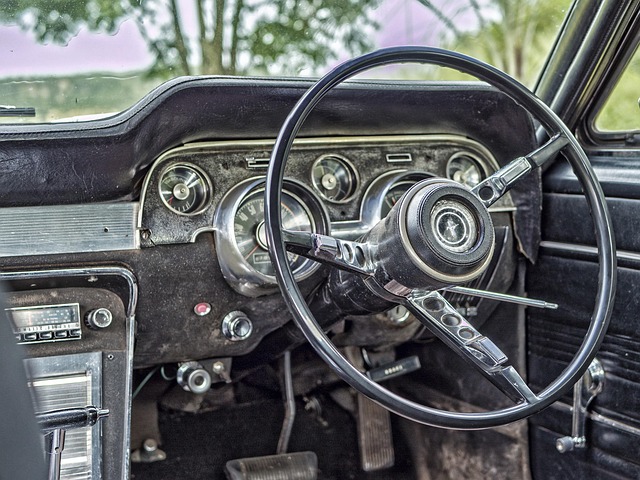
Registering a car in California involves careful completion of essential forms, including the Registration and Title Application. Accuracy is paramount to ensure a smooth process and avoid future complications. Begin by thoroughly reviewing each section, double-checking all entered data for completeness and correctness. The Vehicle Identification Number (VIN) plays a critical role here; ensure it’s accurately captured, as it’s essential for identifying your vehicle uniquely. Utilize the DMV’s VIN verifier to confirm its validity and check for any potential issues or recalls. This step is crucial, especially when dealing with older vehicles or those with modified components.
For instance, if you’re registering a classic car, an accurate VIN inspection using a mobile VIN verifier can help establish its historical integrity, ensuring you aren’t unknowingly involved in any fraudulent activities. Mobile VIN verification services are increasingly popular due to their convenience; these tools allow you to inspect your vehicle’s history quickly and often provide detailed reports, including previous owners, service records, and any reported accidents or damage. This is particularly beneficial for those without access to traditional vehicle history reports.
Remember, attention to detail during this initial phase can save time and headaches later. Always cross-reference information from the vehicle itself with the application form, ensuring consistency in data presentation. An error as simple as an incorrect mileage reading can delay your registration, so take the extra moment to verify each figure.
Pay the Required Fees and Receive Your Car's Registration Papers

After gathering all your necessary documents and ensuring your vehicle meets California’s registration requirements, it’s time to pay the fees and finalize your car’s registration. This process involves a trip to the DMV or, more conveniently for many, utilizing the Department of Motor Vehicles’ (DMV) online services and mobile vin verification tools.
The first step is to calculate the total fee, which includes base registration costs, vehicle weight fees (for larger vehicles), and any additional taxes or surcharges applicable to your specific circumstances. California’s DMV offers a comprehensive breakdown of these fees on its website, making it easy to determine the exact amount you’ll need to pay. You can also opt for mobile vin inspection services, which allow a certified specialist to perform a remote vehicle history report and verify the Vehicle Identification Number (VIN) using advanced technology, ensuring accuracy and saving you a visit to the DMV.
Once the fees are paid, either online or at a local DMV office, you’ll be issued your car’s registration papers. These documents are vital and should be kept secure in your vehicle at all times. They provide legal proof of your vehicle’s registration status and are essential for annual renewals, as well as for any future transactions involving your vehicle, such as selling or transferring ownership. Remember, proper documentation is key to a smooth and hassle-free registration process.
By meticulously gathering all necessary documents, preparing your vehicle for a seamless DMV inspection using a trusted dmv vin verifier, and diligently completing the registration process with accuracy, you can ensure a smooth car registration experience in California. The key insights gained from this article empower you to navigate the registration procedure efficiently, providing a clear understanding of the required steps and necessary tools. Take these practical next steps: double-check all forms for completeness and accuracy, pay close attention to fee structures, and always keep your vehicle’s registration papers readily available. With this knowledge in hand, you’re now equipped to handle future car registration tasks confidently and competently.