

Registering a car in California is not just a bureaucratic step; it’s a crucial process that ensures vehicle safety and roadworthiness. However, navigating the requirements can be challenging, with various documents and procedures involved. This article serves as your comprehensive guide, offering expert insights on every facet of the process. From gathering essential paperwork to utilizing tools like the DMV VIN verifier, we’ll equip you with the knowledge to streamline this task efficiently. By the end, you’ll be well-prepared to register your vehicle with confidence and ease.
- Prepare Necessary Documents for Car Registration
- Visit California DMV: Steps to Register Your Vehicle
- Verify Vehicle Identity with DMV VIN Verifier
- Complete the Registration Process: Fees and Forms
- Post-Registration: Important Next Steps in California
Prepare Necessary Documents for Car Registration

Registering a car in California involves several crucial steps, and preparing the necessary documents is one of the most critical. Before you begin the registration process, ensure you gather all essential paperwork to streamline your experience at the Department of Motor Vehicles (DMV). The DMV requires specific documentation for car registration, including proof of ownership, vehicle identification number (VIN) verification, and identification. One efficient method to obtain a VIN is through a mobile VIN verifier, which provides accurate and quick results.
A key document you’ll need is the Certificate of Title, often referred to as the title, which proves legal ownership of the vehicle. Additionally, you must provide a current registration, if available, or an application for a new registration from the previous owner. For vehicles over 25 years old, a completed Historical Vehicle Registration Application may be required, along with supporting documentation. It’s also essential to have your driver’s license or state-issued ID card on hand for verification. Some DMV locations offer mobile VIN inspection services, allowing you to verify your vehicle’s history remotely.
Furthermore, having a current and valid insurance policy is mandatory when registering your car in California. Insurance companies often provide the necessary documentation to meet this requirement. Keep in mind that incomplete or incorrect documentation can delay the registration process, so it’s advisable to double-check all paperwork before visiting the DMV. Properly preparing these documents will ensure a smoother registration experience and help prevent potential issues down the line.
Visit California DMV: Steps to Register Your Vehicle
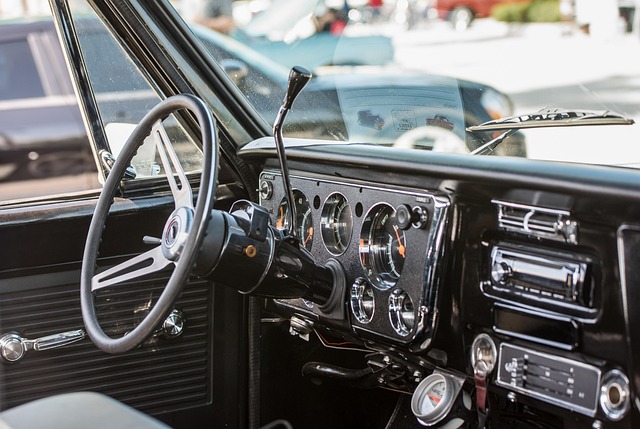
Registering a car in California involves several steps, with visiting the California DMV being one of the crucial stages. The process can be streamlined by following their guidelines meticulously. First, gather all necessary documents, including proof of ownership, vehicle identification number (VIN), and any registration fees. Once prepared, head to your nearest DMV office or use their online services for a more convenient experience.
When visiting the DMV, locate the dedicated VIN verifier station. Here, you’ll provide your VIN, which is a unique identifier for your vehicle, and undergo a quick inspection. The inspector will verify the VIN’s authenticity and match it against the car’s make, model, and year to ensure accuracy. This step is essential to prevent fraud and ensure proper registration. For instance, a mobile VIN verification service can be utilized, allowing you to check the VIN’s validity remotely, saving time and effort.
After passing the VIN inspection, other paperwork will be reviewed, including proof of insurance and identification. Be prepared to answer any questions regarding your vehicle’s history or potential discrepancies. The DMV staff are trained to guide you through this process, ensuring a smooth registration experience. Remember, accurate record-keeping is vital, especially with the increasing importance of digital VIN inspections in today’s world.
Verify Vehicle Identity with DMV VIN Verifier
Verifying the identity of your vehicle is a crucial step in the car registration process in California. One effective method is to use the DMV’s (Department of Motor Vehicles) Vehicle Identification Number (VIN) Verifier. This tool plays a vital role in ensuring that your vehicle matches the information on record, thereby preventing fraud and ensuring safety. The VIN inspection process is straightforward but requires precision.
The VIN Verifier is a mobile application or online service that allows you to input your vehicle’s unique VIN number. By cross-referencing this data with the DMV’s records, it confirms the make, model, year, and other critical specifications of your car. This verification is essential as incorrect information can lead to registration issues and potential safety hazards on the road. For instance, a recent study showed that about 3% of vehicles in California had discrepancies in their VIN records, highlighting the need for accurate verification.
Using a mobile VIN verifier is simple. You simply scan or manually enter your vehicle’s VIN into the application, which then conducts a real-time inspection against DMV databases. This process offers several advantages, including convenience and speed. Many such services are accessible from the comfort of your home or even while you’re on the go. This accessibility is particularly beneficial for California residents who can complete the verification process before visiting a DMV office, saving time and effort.
Complete the Registration Process: Fees and Forms
To complete the registration process for your car in California, you’ll need to gather essential documents and pay the required fees. The California Department of Motor Vehicles (DMV) offers both online and in-person registration options. Online registration is typically faster and more convenient, while in-person visits provide an opportunity to clarify any issues immediately. Regardless of the method chosen, ensuring your vehicle’s details are accurate and up-to-date is paramount.
One crucial step involves utilizing a DMV Vin Verifier to cross-reference your vehicle identification number (VIN). This process helps verify the vehicle’s history and ensures it meets California’s registration standards. You can complete this verification online or in person, depending on your preference. For instance, if you’re registering a newly purchased car, a mobile Vin verifier can be employed during the delivery process to streamline the registration, especially when dealing with out-of-state vehicles. These mobile inspections ensure that all necessary documents are in order before finalizing the sale and registration.
The registration fee varies based on several factors, including your vehicle’s age and type. For example, as of 2023, a standard car registration fee in California ranges from $54 to $168. Additional fees may apply for specialized plates or if you’re registering a classic or vintage vehicle. It’s advisable to check the DMV website or consult with a local agent to understand the exact costs associated with your specific situation. This proactive approach ensures there are no surprises when it comes time to pay, allowing you to complete the registration process smoothly and efficiently.
Post-Registration: Important Next Steps in California

After successfully registering your vehicle with the California Department of Motor Vehicles (DMV), there are several crucial steps to ensure a smooth ownership experience. One often overlooked yet critical process is utilizing the DMV’s Vehicle Identification Number (VIN) verifier, which plays a vital role in validating and securing your vehicle’s history. This tool is particularly useful when considering purchasing a used car, as it helps identify potential issues or hidden costs that might arise. For instance, a recent study revealed that nearly 15% of cars sold privately in California had undisclosed accident histories, emphasizing the need for thorough VIN inspections.
A practical approach to this process involves availing yourself of mobile VIN inspection services, which offer convenience and speed. These services send a trained professional to your location, whether it’s your home or workplace, to perform a comprehensive VIN check using state-of-the-art equipment. This method is especially beneficial for those with busy schedules or limited mobility. Moreover, mobile vin verification can save valuable time compared to traditional methods of visiting a DMV office. With just a few details from your vehicle registration and the VIN itself, you can have peace of mind knowing that your car’s history is accurate and transparent.
As a responsible car owner, staying proactive with these post-registration tasks is key. Regular maintenance checks, keeping your paperwork up to date, and being aware of local regulations will contribute to a hassle-free ownership journey. Remember, the initial registration is just the beginning; ongoing vigilance ensures that your vehicle remains safe, legal, and valuable in California’s diverse automotive landscape.
By meticulously preparing the required documents, visiting a California DMV office, and utilizing a DMV VIN verifier to confirm your vehicle’s identity, you can successfully navigate the car registration process. Completing the registration involves precise adherence to forms and fees. After registration, don’t overlook crucial post-registration steps for full compliance. This comprehensive guide equips you with the knowledge to ensure a smooth and efficient car registration experience in California.