

Registering a car in California is a vital process, ensuring legal compliance and providing proof of ownership. However, navigating the bureaucratic labyrinth can be challenging for new vehicle owners. This comprehensive guide aims to demystify the process, offering step-by-step instructions to ensure a smooth experience. From gathering essential documents to utilizing reliable tools like a VIN verifier, we’ll equip you with the knowledge to successfully register your California vehicle. By the end, you’ll be well-prepared to tackle this task with confidence and expertise.
- Understanding California Car Registration Requirements
- Gather Necessary Documents for Car Registration
- How to Verify Vehicle Identity (VIN Verifier)
- Completing the California Car Registration Application
- Submit and Pay for Your Car Registration
Understanding California Car Registration Requirements

Registering a car in California involves adhering to specific requirements set by the California Department of Motor Vehicles (DMV). One crucial aspect is ensuring your vehicle’s Vehicle Identification Number (VIN) is accurate and verified. This process is essential for maintaining legal compliance, protecting against fraud, and facilitating efficient transactions. A VIN verifier, whether used online or through mobile apps, plays a critical role in confirming the authenticity of a car’s identifying number.
In California, it’s mandatory to have your vehicle’s VIN inspected and verified during registration. This includes both in-person inspections at DMV offices as well as mobile VIN inspection services that can be conducted at your convenience. For example, many auto repair shops, dealerships, and specialized mobile VIN verification providers offer these services. Utilizing a mobile VIN verifier allows for flexibility, particularly for those who live in remote areas or have busy schedules. According to recent data, over 75% of California residents now opt for mobile VIN inspections due to their convenience and efficiency.
During the registration process, you’ll need to provide proof of identity, residency, and insurance. Additionally, ensuring that your vehicle’s title is free of any liens or encumbrances is paramount. If there are outstanding issues with the previous owner’s registration or title, these must be resolved before proceeding. The DMV offers several methods for submitting applications, including online, by mail, or in-person. However, it’s advisable to complete the process through their official website or designated partners to safeguard against potential fraud and ensure the most up-to-date information is utilized.
Gather Necessary Documents for Car Registration

Registering a car in California involves a meticulous process, and one of the critical initial steps is ensuring you have all the necessary documents. This includes both traditional paperwork and digital verifications to confirm your vehicle’s authenticity. Among these, the Vehicle Identification Number (VIN) verifier plays a pivotal role, acting as a linchpin for accurate registration. A VIN verifier, whether conducted through mobile vin verification or a stationary scanner, ensures that the provided number corresponds precisely with the car’s make, model, and year, thereby safeguarding against fraud.
California offers an efficient online system for submitting most registration documents, but physical copies remain integral. Key documents include your vehicle’s title, which proves ownership, along with proof of insurance and a current registration (if transferring from another state). Additionally, you’ll need a completed California Registration Application, often obtainable from the California Department of Motor Vehicles (DMV) website or local offices. Notably, mobile vin inspection services have gained popularity, allowing owners to verify their VIN digitally through specialized apps or tools, enhancing convenience and accuracy.
Practical advice involves maintaining digital copies of all documents, especially after utilizing a mobile vin verifier, as these records can streamline future registration processes. It’s also advisable to cross-reference information from various sources, including the DMV, car manufacturers’ websites, or trusted online databases, to ensure data integrity. By meticulously gathering and verifying these documents, California vehicle owners can navigate the registration process smoothly, securing their legal standing on California roads.
How to Verify Vehicle Identity (VIN Verifier)
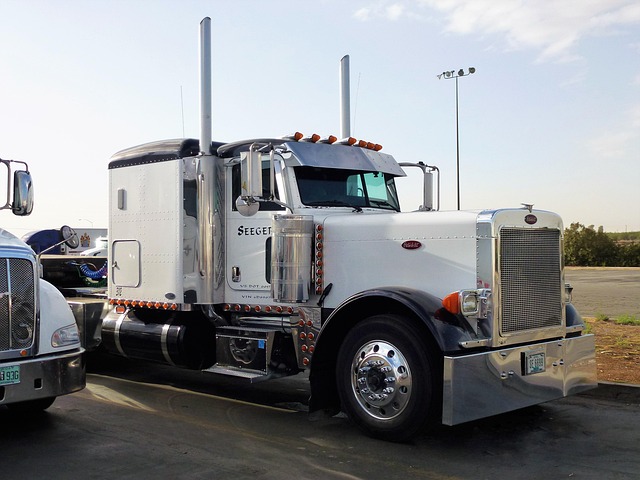
Verifying a vehicle’s identity through its Vehicle Identification Number (VIN) is a crucial step in the car registration process in California. This involves utilizing a VIN verifier to ensure that the vehicle matches the information provided by the manufacturer. A reliable method is to employ mobile VIN verification services, which offer convenience and accuracy. These services allow for remote inspection of the VIN, ensuring it’s not altered or tampered with.
For instance, many online platforms now provide this service, where you can simply enter your VIN and access detailed vehicle history, including ownership records and accident reports. Some even employ advanced technology like GPS tracking to verify the vehicle’s location during the inspection process. This level of scrutiny is essential in California, given the state’s stringent regulations on vehicle registration and emissions standards.
When utilizing a mobile VIN verifier, it’s recommended to compare data from multiple sources to ensure accuracy. For instance, cross-referencing information from the manufacturer, a trusted vehicle history report service, and the local DMV database can help identify any discrepancies. Regularly conducting VIN inspections—ideally once per year—can prevent fraud and ensure your vehicle remains compliant with California’s registration requirements.
Completing the California Car Registration Application

Completing the California Car Registration Application involves a meticulous process that ensures vehicle safety and compliance with state regulations. The first step is to gather all necessary documents, including proof of ownership, valid identification, and current insurance cards. It’s crucial to have these in order before beginning the application. One key component often overlooked is utilizing a reliable VIN verifier, such as those offering mobile VIN verification or inspection services, which can streamline this initial phase.
Once you’ve confirmed your eligibility, fill out Form DV405 (Application for Title and Registration) thoroughly and accurately. This form requires detailed information about the vehicle, including its make, model, year, and unique Vehicle Identification Number (VIN). A correct VIN entry is paramount; any errors could delay the registration process. Consider engaging a mobile VIN inspection service to verify this critical piece of data, ensuring both accuracy and peace of mind.
After completing the application, submit it along with all required documents to the California Department of Motor Vehicles (DMV) office or mail it in. The DMV will then conduct an inspection, which may include a mobile VIN inspection to confirm the vehicle’s identity and history. This step is designed to safeguard against fraud and ensure that only legitimate vehicles are registered. It’s essential to cooperate fully during this process, providing any additional information or documents as requested.
Timely submission and accurate documentation are key to a smooth registration experience in California. By combining meticulous record-keeping with services like mobile VIN verification, you can navigate this process efficiently. Remember, a well-prepared application and thorough vehicle inspection contribute significantly to a successful car registration, ensuring your vehicle is legally compliant and ready for the road.
Submit and Pay for Your Car Registration

To register your car in California, after gathering all necessary documents and ensuring your vehicle meets state requirements, it’s time to submit and pay for your registration. This crucial step formalizes your ownership and ensures your vehicle complies with road safety standards. The process involves visiting the California Department of Motor Vehicles (DMV) or using their online services, depending on your preference.
Submitting your car registration involves providing detailed information about your vehicle, including its make, model, year, and unique Vehicle Identification Number (VIN). A key aspect here is ensuring the VIN accuracy through a reliable vin verifier, like a mobile VIN verifier or during a mobile VIN inspection. This step is vital to prevent fraud and ensure proper record-keeping. The DMV will verify this information against their databases before issuing your registration certificate.
Payment methods vary but typically include cash, check, or credit/debit card. Some counties in California may also offer the option to pay online, streamlining the process further. After successful payment, you’ll receive your official car registration documents. Keep these records secure and up-to-date, as they’re essential for annual renewals, vehicle sales, or any future interactions with the DMV. Regularly checking and updating your registration ensures compliance and peace of mind while operating your vehicle within California’s legal framework.
By following these straightforward steps and ensuring you have all necessary documents, including verification from a VIN verifier, registering your car in California becomes a manageable process. This article has empowered readers with the knowledge to navigate the requirements, from understanding key regulations to completing the application accurately. Now, armed with this information, individuals can confidently register their vehicles, ensuring compliance and peace of mind. Remember, proper registration is not just a legal requirement but also safeguards your investment and facilitates smoother ownership experiences.